.jpg)
Honoring the old system
The way you sell packaged consumer goods, especially food and beverages, is something that should not change.
While so many sectors saw their sales channels migrate to digital, ice cream, chocolates, and juices continue to be sold as they always were, on market shelves.
Sectors such as health care and beauty account for 18% of their volume online, while the food and beverage segment seems to be parked at 7%, according to information from eMarketer.
There is a reason for this limit
Packaged foods and beverages, from the acronym CPG (Consumer Packaged Goods) in English, have a low ticket and high operating costs, such as transportation, storage and losses due to their short shelf life, the so-called Shelf life.
From the factory until the time of consumption, there is a race against the expiration date, as the product loses sales value as the expiration date approaches.
Purchases are typically fractional, so no matter how much you like chocolates, you won't buy a large box for the whole month.
Some items, such as ice cream, fresh beverages, and frozen foods, will still depend on the cold chain, which is an entire logistics network equipped to keep them in saleable condition.
Smaller brands are severely hampered here, as they have to compete for space in distributors and or are forced to invest in their own chains.
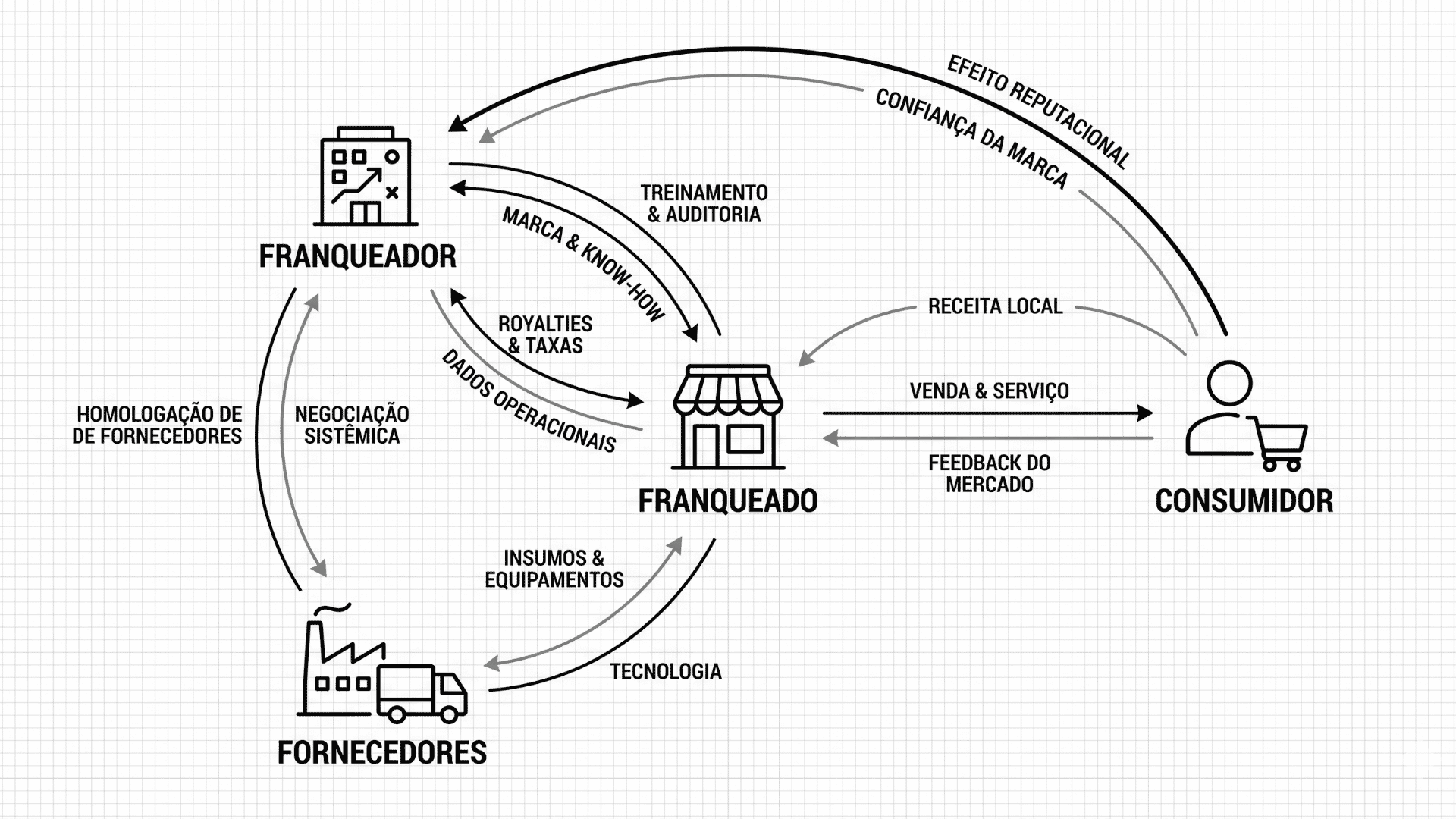
This leads to direct-to-consumer (DTC - Direct to Consumer) movements, such as own stores or franchise chains, formats that have not yet proven their purpose of preserving profit margins.
Everything as it was before
At the end of the day, packaged food and beverage brands continue to rely on retail chains.
They control access to markets, defining which products will reach the mass consumer, which will remain restricted to niches, and those that will rely on wholesale networks.
In order to win over the buyers of the retail chains, the industry is developing a movement of economies of scale, with cost cuts and logistical efficiency.
Movement that ends up commoditizing products that were trying to meet new consumer needs.
The same story as always
Something that began with being offered fresh and chilled, is now pasteurized and offered in a long-lasting package, refined ingredients that need special care are replaced by the old combat formulation.
Without differentiation, innovative industries are easy prey for large conglomerates.
The best way to defend yourself is to choose target markets wisely and build strengths
Getting into and succeeding in retail is a well-known game, especially considering how antiquated offline wholesale processes remain.
From local retail chains to independent operations in areas with high consumer potential, choosing the right POS to sell is what unlocks the next phase of growth.
Especially because, once in stores, consumers love emerging brands.
Looking to the future, let's present some growth routes:
Selling is expensive, selling a lot, even more so
The retail buying process has been the same for centuries, with large payment cycles that suck up working capital.
The tip here is to reduce your range of operations and saturate markets before moving to neighboring regions.
This will focus your sales efforts and reduce your expansion costs.
Guerrilla marketing
The model of producing economies of scale that would be eliminated by mass advertising is outdated.
Super local marketing strategies are much more efficient, especially if your activities are concentrated in a region.
Geographic focus
Increase your efficiency with the old-fashioned method.
If sales teams are the turning point, plan your efforts with much more attention to the details of market flow, the so-called sell-out.
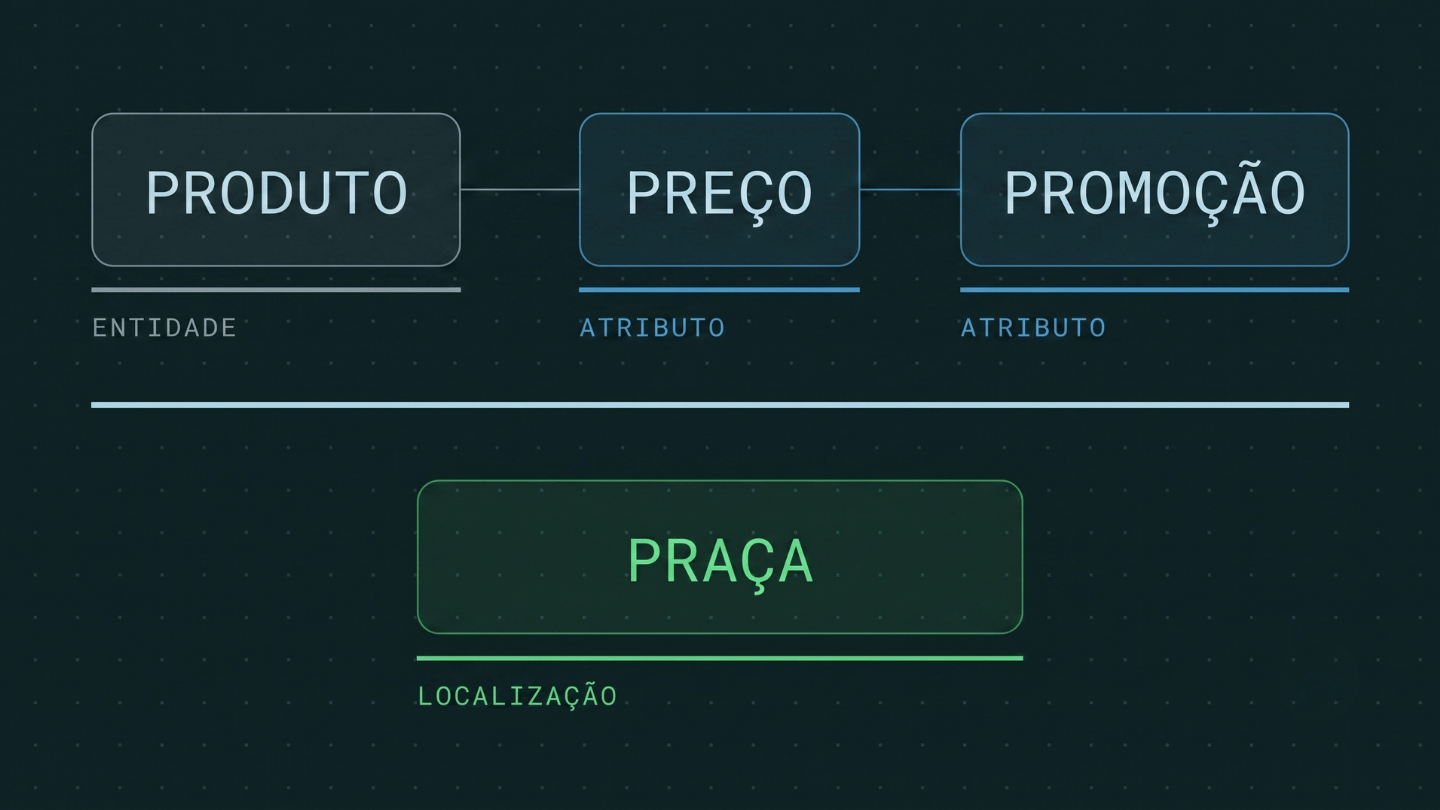
Those who operate in a restricted region do not have the benefit of continuously expanding their POS base, the so-called numerical distribution, so they must take a look at the weighted distribution, which is the size of their presence per POS.
Mapfry offers an ecosystem of solutions and professionals aimed at boosting your marketing and sales.
We do this from our Geomarketing platform rich in assertive data, connected to a network of expert advisors, so we can support you on fronts such as:
- Assertive trade marketing
- Definition of the mix of products to be offered by local consumption profile
- Acquisition of new customers in regions with high sell-out potential
.gif)